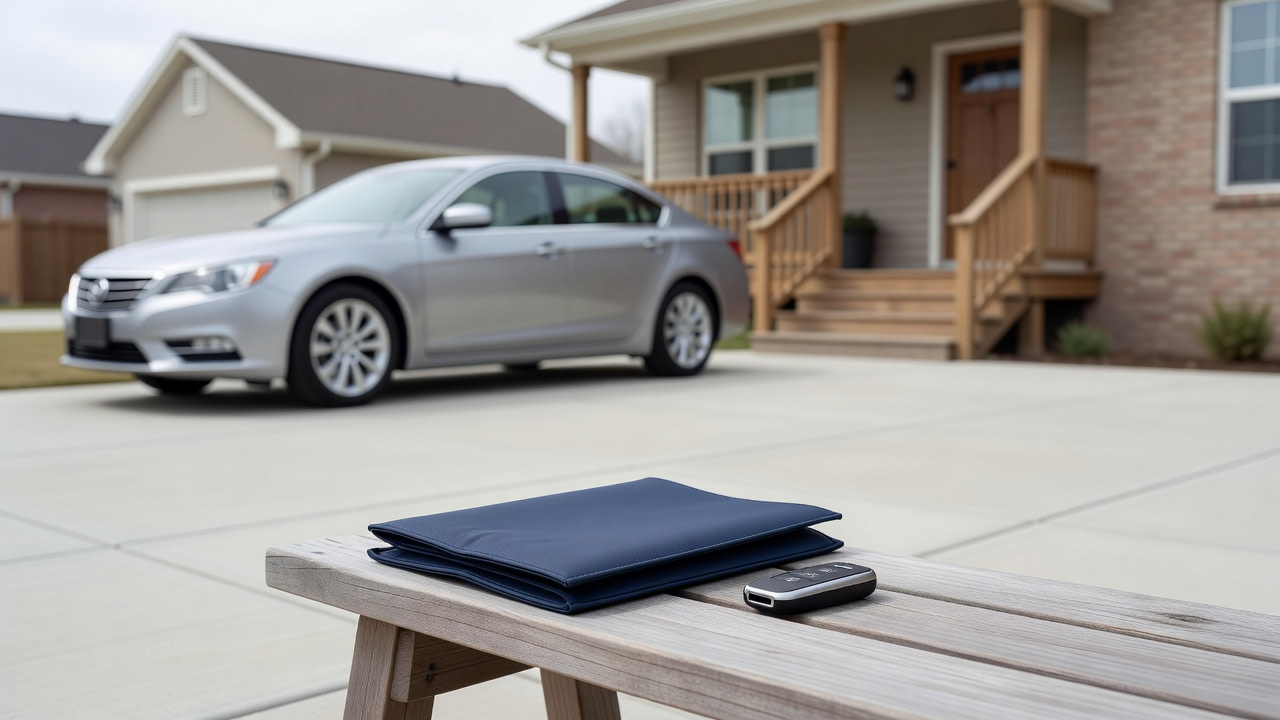
It’s important to get updated insurance ID cards and put them in your vehicle when you change insurance carriers.
Plenty of drivers assume that as long as a current insurance ID card is somewhere in the glove box, they’re covered for a traffic stop or a quick accident report. That assumption causes real problems. The card in your glove box is only useful if it belongs to the policy that is actually in force right now. The moment you switch carriers, the old card stops being valid — even if the printed expiration date on it is months away. Police officers, the DMV, and other drivers in an accident all verify coverage against the carrier’s current records, not against whatever card you happen to have on you.
The right move is straightforward: get the new ID cards from the new carrier the day the new policy goes in force, put them in the vehicle, and discard the old ones. We make sure clients have new cards (digital, printed, or both) before the new effective date so there is never a gap.
If any of that information changes — new carrier, new vehicle, new driver added — a new ID card needs to be issued. Old cards do not get “updated” in place; the carrier reissues them. This ties to whether changing auto insurance affects your registration, because some states pull insurance information from carrier reporting and your registration record can get flagged if the data does not match.
Most carriers now offer digital ID cards through a mobile app, which most states accept at traffic stops. We still recommend keeping a printed backup in the glove box — phones die, apps glitch, and the printed card never fails.
This is the corner case that worries clients most, and it is solvable. If you have the new policy bound and the old one canceled but no physical card yet, the digital card from the new carrier’s app is valid in nearly every state. If you don’t have the app set up yet, the new policy’s declarations page emailed to your phone works as backup proof of coverage. An officer can also call the carrier directly to verify. We give every new client a digital binder the moment a policy is bound for exactly this reason. For more on switching timing and avoiding gaps, see how to avoid a lapse in coverage when switching and how to make sure your new auto policy starts before the old one ends.
If you want a clean handoff from old to new — including the cards, the lender notification, and the cancellation timing — request a personal insurance quote, take a look at our auto insurance options, or get a commercial insurance quote if this is a fleet or commercial auto switch. We coordinate the cards as part of every switch we do.

Give us a call today and we can help.


Website Made By Aelieve Digital Marketing