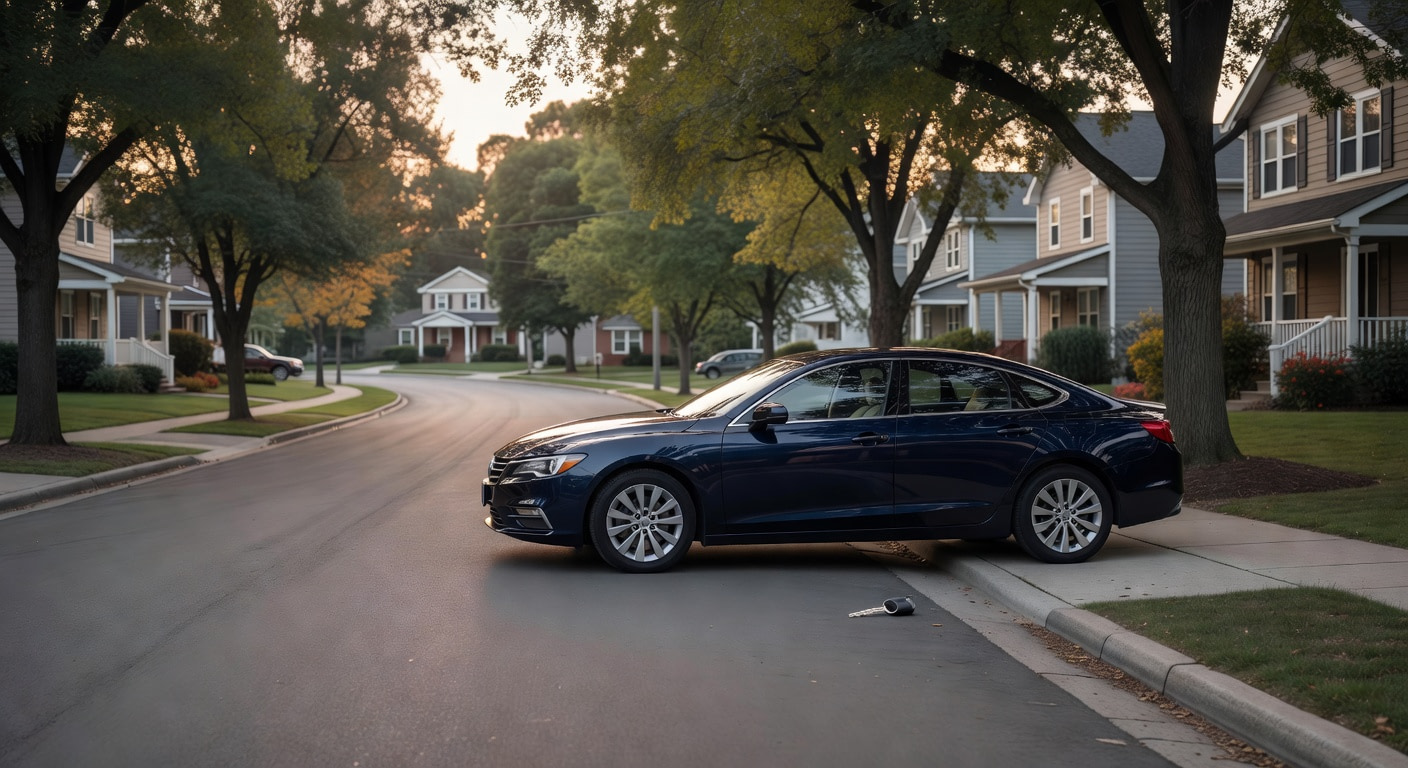
When changing policies, it’s important to review roadside assistance and car rental. With most carriers it’s an additional charge added as a line item.
You’re 90 miles from home, your battery’s dead, and you reach for the policy app to call for a tow. The app says roadside assistance isn’t available on your plan — you would have had to add it as a line item, and nobody mentioned it during the switch. By the time you’ve paid for a tow out of pocket, you’ve spent more than a year of roadside coverage would have cost. That’s the most common version of a story we hear when clients didn’t review optional add-ons before binding a new policy.
Roadside assistance and rental reimbursement are almost universally optional on personal auto policies. Carriers structure them as elections rather than defaults because they’re not core to the policy’s purpose — they’re conveniences. That means they don’t carry over automatically when you switch. If your old policy had them, the new one doesn’t unless you specifically asked for them. If your old policy didn’t have them, the switch is a clean moment to add them at a modest line-item cost.
Roadside assistance on most carriers covers:
Coverage limits, mileage caps, and per-incident allowances vary by carrier. Some carriers offer two tiers — basic and premium — with different mileage caps and benefits.
Rental reimbursement pays for a rental car while your vehicle is being repaired after a covered loss. The coverage is usually written as a daily limit with a maximum number of days — for example, $30/day up to 30 days, or $50/day up to 30 days. Two things to confirm:
Rental reimbursement only triggers after a covered loss — collision or comprehensive — not for routine maintenance or mechanical breakdowns. Some clients carry both roadside and rental; some skip both because of overlapping benefits from a credit card or a separate auto club membership. Our note on reviewing policies for gaps and overlaps covers how we untangle that.
Roadside assistance typically runs a few dollars per vehicle per six-month term. Rental reimbursement varies more based on the daily limit chosen. Both are small numbers individually, and both deliver real value the moment they’re needed. That’s why we ask about them explicitly during a switch rather than letting them fall off by default. To see how they look on your specific quote, request a personal insurance quote and we’ll show you the line-item cost for each.
If you carry AAA, a manufacturer’s roadside program (Toyota Care, BMW Roadside), or a credit card with roadside benefits, you may already have functional coverage. The same applies to rental reimbursement — some travel credit cards include rental car benefits, though usually for travel rather than post-claim use. We help you map what you already have against what the policy needs, so you don’t pay twice for the same protection. Our broader take on comparing auto coverage and making sure the new policy matches your needs covers this kind of cross-check.
For most households, both coverages on at least the primary vehicles makes sense. The combined cost is small, and the convenience of having them when something goes wrong is real. If you have strong overlapping benefits elsewhere, we’ll tell you. For broader auto context, see our auto insurance overview, and if you’d rather talk it through, contact our office.



Website Made By Aelieve Digital Marketing