It’s very important when switching to review the roof coverage. Many companies have changed how they insure roofs over the years, so it’s important to understand which coverage you’re choosing and what your options are.
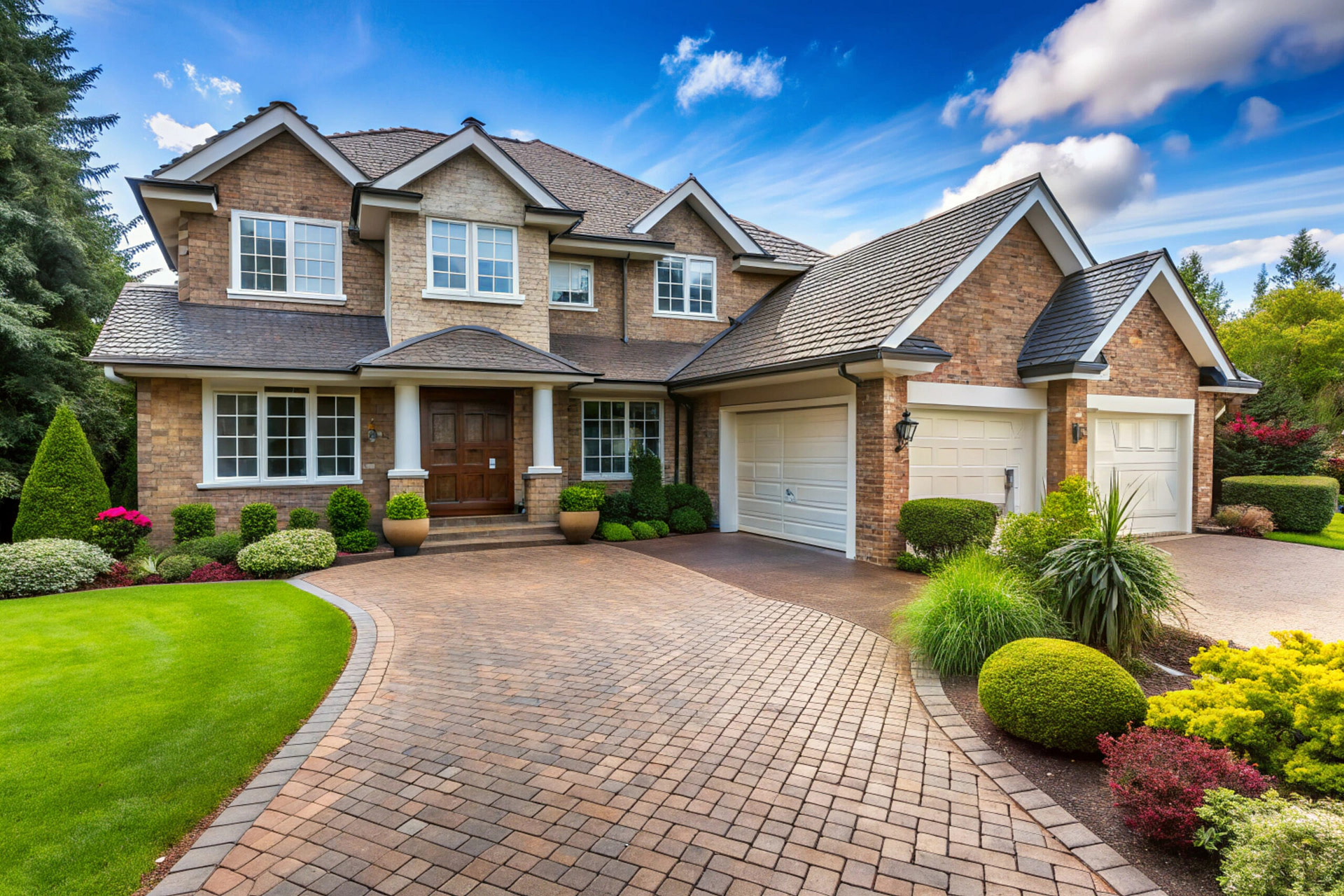
A hailstorm rolls through on a Sunday afternoon. Your neighbor’s roof is replaced under their policy for $18,000. Your roof, same age, same materials, same storm, gets a check for $6,200 — and you owe the contractor the rest. Same kind of damage, two completely different outcomes, because the two policies handle roofs in two completely different ways. This is one of the most consequential pieces of a homeowners policy and one of the least discussed when shopping for coverage.
Over the last decade, carriers have absorbed huge weather losses and many of them responded by changing how they pay for roof damage. The old default — full replacement cost regardless of roof age — has been replaced at many companies with a sliding schedule that depreciates older roofs, caps payouts, or excludes cosmetic damage entirely. None of that is necessarily bad; it’s just different, and the policy you bought eight years ago may not pay the way you think it does.
At the highest level, roof claims settle one of two ways: replacement cost or actual cash value. The first pays to replace the roof at today’s prices, minus your deductible. The second pays for the depreciated value of the roof at the time of loss — often a fraction of the replacement cost on an older roof. We explain the broader difference in our piece on actual cash value versus replacement cost, but the roof is where that difference shows up most painfully.
Within those two methods, carriers have invented a long list of variations:
None of these are hidden — they’re all in the policy form — but they’re rarely highlighted at the time of sale. A good homeowners insurance review walks through each one and tells you which apply to your specific home.
If you’re considering a move, ask these four questions about the new policy:
First, is the roof settled at replacement cost or actual cash value? Second, does that change based on the roof’s age — and what age is yours? Third, is there a separate wind/hail deductible? Fourth, are cosmetic-only losses (denting without function loss) covered or excluded? Those four answers determine almost everything about how a future roof claim will pay. We get into the broader version of this in coverage gaps to watch when switching.
If your roof is new — under five years — most carriers will give you full replacement cost without restriction. If it’s 15+ years old, several carriers will only write it on actual cash value, and a few won’t take the home at all. We help you sort through which carriers will cover your roof properly today, which is part of why working with an independent agency with access to many carriers matters more than rate-shopping a single company. If you’re not sure how old your roof is or how it’s currently insured, request a personal insurance quote and we’ll look it up together.
The biggest mistake on roof coverage is comparing two quotes by premium alone. Two policies at the same price can have very different roof payouts on the same claim. We compare the roof-specific language alongside the premium and tell you which option actually protects the asset. To see how that comparison works on your home, request a personal insurance quote and we’ll show you the roof settlement clauses side-by-side. For broader context, our note on making sure the new policy matches your real coverage needs is a useful companion read, and how to know if you have enough homeowners coverage ties everything together.

Give us a call today and we can help.


Website Made By Aelieve Digital Marketing