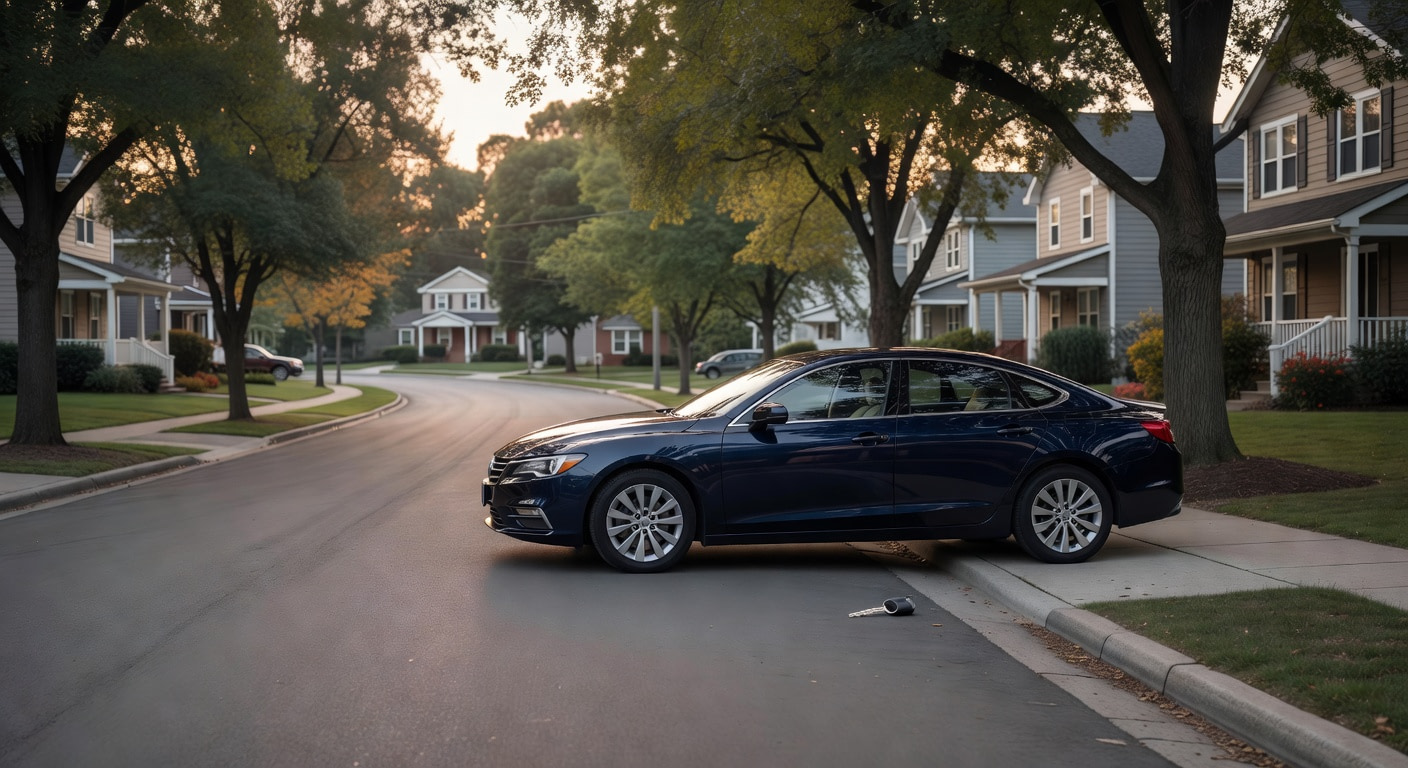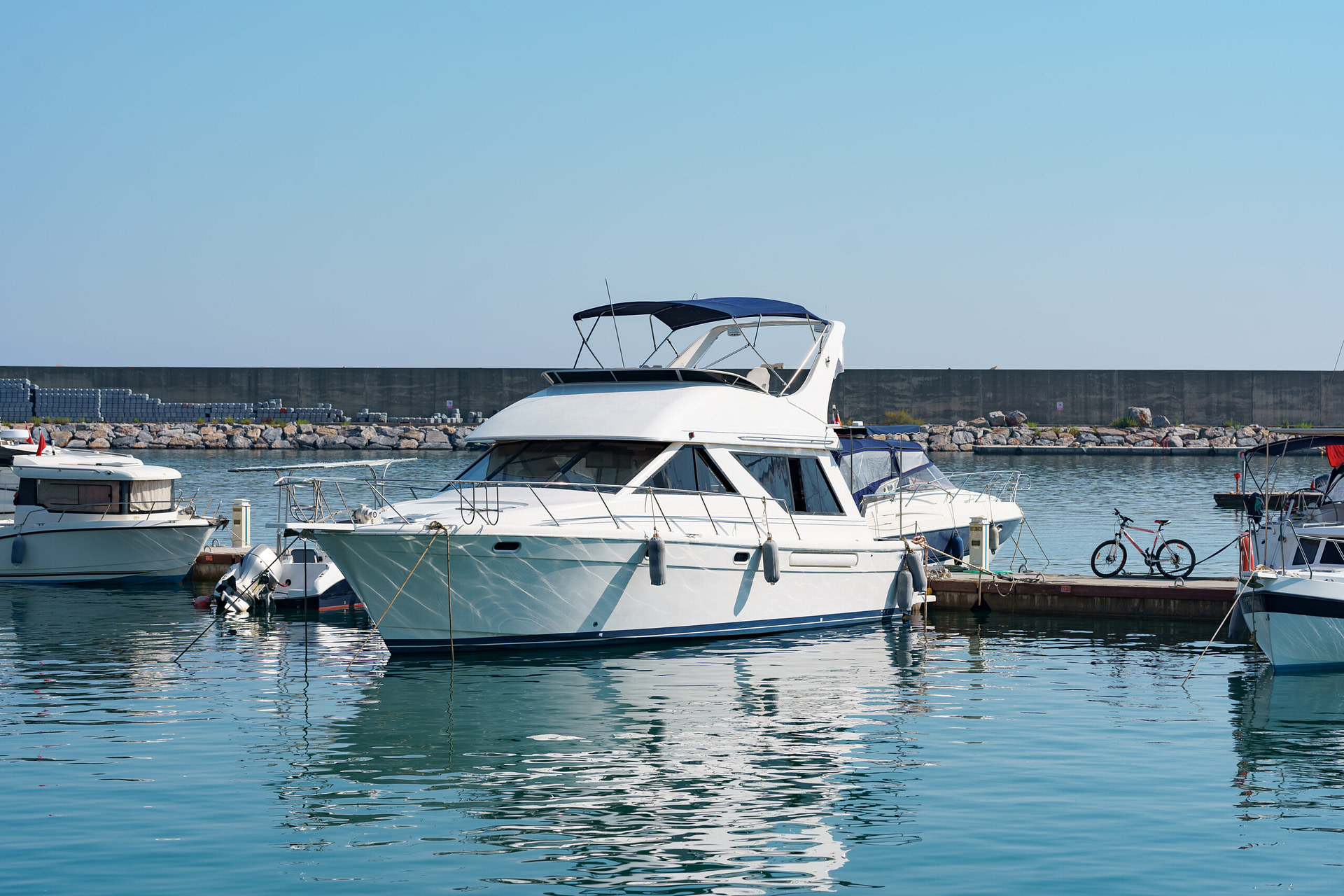
We like to review your umbrella policy when you first sign up, and again whenever there’s a change in your lifestyle — when you’ve added new vehicles, summer toys, or vacation homes. We want to make sure you have enough liability.
The honest answer to whether this is a good time to review umbrella insurance is: probably yes, and probably overdue. We review umbrella policies when a client first signs up and then again whenever something in the household changes — new vehicles, a teen driver, a boat, a second home, a side business. Most clients have at least one of those triggers in any given year and most don’t think to call about it. That’s the gap we’re trying to close.
Think back over the last 24 months. Did anyone add a vehicle, finish a basement, get married, take in a parent, start a business out of the house, buy a jet ski, list a property on a short-term rental site, or get a license? Any of those changes the household’s liability profile, and the umbrella you bought before they happened was built for a different version of your life. An umbrella that’s three years old usually still covers what it was bought to cover — it just doesn’t cover what’s new.
The same is true for asset growth. If your retirement account, brokerage, or home equity has grown materially since the policy was written, your potential exposure has grown with it. We touch on this in how much liability coverage you really need — the answer scales with assets, not with age.
The most common reason an umbrella claim under-pays isn’t that the limit was too low at purchase — it’s that the household kept growing and the umbrella didn’t.
An umbrella review is shorter than a home or auto review because the policy has fewer moving parts. We check the limit itself, the underlying liability requirements on home and auto, whether each insured driver and vehicle is properly scheduled, and whether anything new — boats, motorcycles, rental property, household help — needs to be added or rated up. We also check whether the underlying carriers’ liability limits still satisfy the umbrella’s requirements; carriers occasionally raise their minimums and an older underlying policy can suddenly leave a gap. If you want the deeper background on the product itself, our umbrella insurance page walks through how it sits on top of home and auto, and our FAQ on whether you need an umbrella alongside home and auto answers the question most people ask first. Clients who are also considering raising their underlying limits should read whether to raise liability limits when switching at the same time, because the two decisions interact.
If any of the triggers above hit your household in the last year, that’s the signal. If none of them did but you haven’t reviewed the umbrella in three years or more, that’s also the signal. We make these reviews part of how we work — see how we handle annual policy reviews — and the umbrella conversation usually takes ten to fifteen minutes once we have the underlying policies in front of us. When you’re ready, request a personal insurance quote and we’ll include an umbrella review in the package.

Give us a call today and we can help.


Website Made By Aelieve Digital Marketing