With most companies you’ll get a replacement cost policy. It’s also important to look at coverages inside the home, such as water backup, sewer and drain, and flood, to make sure you have enough coverage.
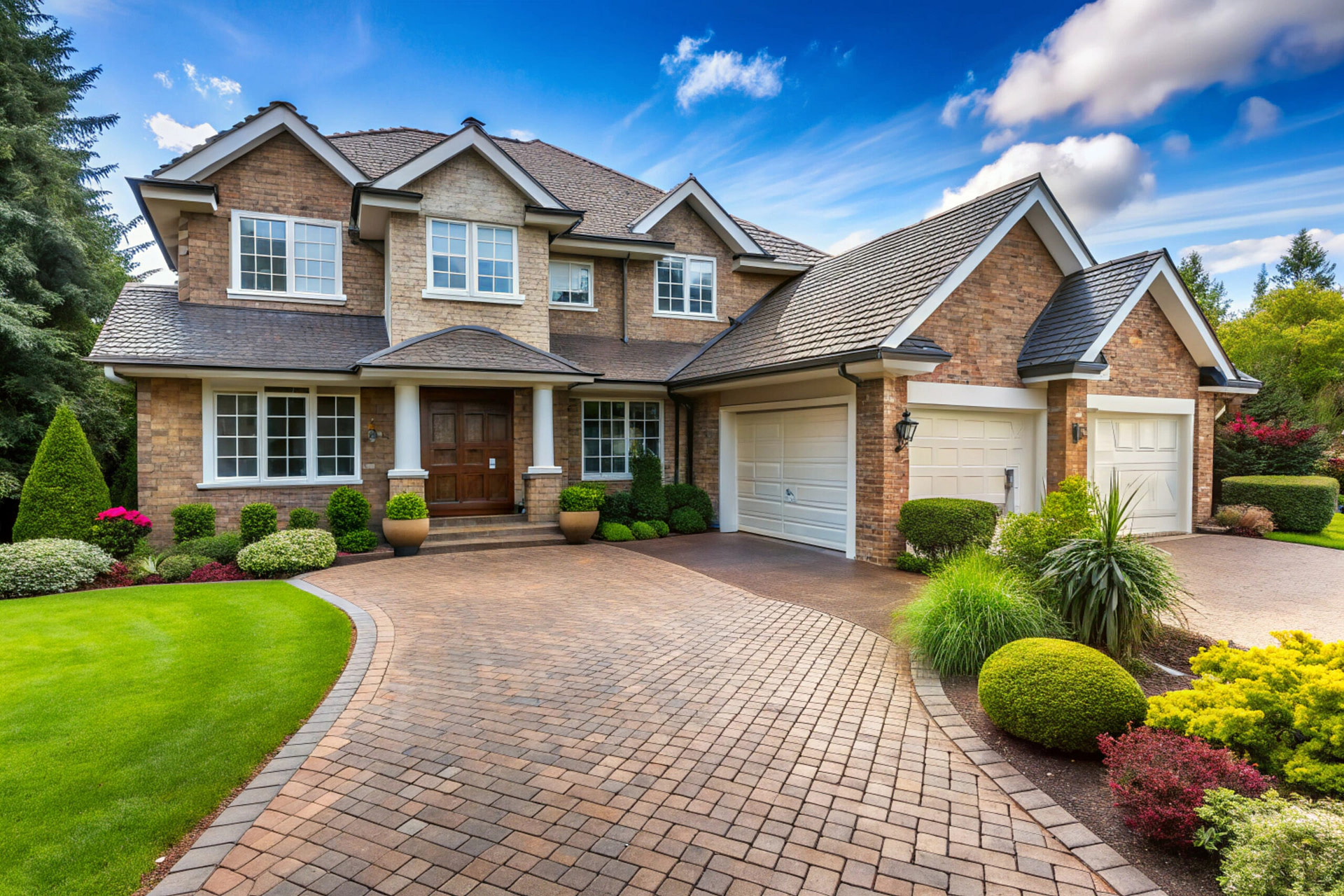
Imagine a fire that destroys your home down to the foundation. The insurance check arrives, you start collecting bids from contractors, and the lowest legitimate bid to rebuild comes in at $480,000 — but your policy’s dwelling limit is $375,000. You’re $105,000 short, with a mortgage that still has to be paid and a family that needs somewhere to live. That’s what “not enough coverage” looks like in practice, and it happens often enough that we treat it as the most important question on the entire policy.
Most home policies are written at replacement cost — what it would take to rebuild your home at today’s prices. The right question isn’t “what did I pay for the house?” or “what is it worth on the market?” It’s “what would it cost a contractor, today, to rebuild this exact home on this lot?” That number is driven by square footage, finishes, year built, geography, and current labor and material costs — none of which match purchase price or market value. Most outdated policies fail right here. Our note on how to tell if your coverage is outdated covers this in detail.
Personal property — the contents of your home — is usually set as a percentage of the dwelling limit, often 50% to 75%. For most households that’s enough. For households with significant collectibles, electronics, instruments, or jewelry, it isn’t. We do a quick room-by-room with clients to test the limit and identify items that need to be scheduled separately. The same logic applies if you have a home office or business equipment in the home.
Beyond the dwelling, the interior coverages most often missing from policies we review are water-related:
Our detailed take on each of these is in water damage coverage on home insurance and flood insurance and homeowners.
Personal liability on the home policy is the default $100,000 on too many policies — a holdover from a time when that limit was reasonable. Today, $300,000 or $500,000 is a more sensible floor, and clients with assets should look at umbrella coverage on top. Loss of Use coverage — hotel, rental, and food costs while your home is being rebuilt — also matters more than people expect and should be reviewed alongside the dwelling.
Across the policies we write, the endorsements that show up most often once a real review is done are:
None of these are exotic. They cost a few dollars each and they close real gaps. We talk about how we walk through them in our broader piece on homeowners insurance and in policy gap and overlap reviews.
If you haven’t had a full home insurance review in the last two years, that’s probably the right starting point. We rebuild the dwelling cost, walk the contents, run liability against your assets, and identify which endorsements close real exposures versus which ones are just upsells. To get the review going, request a personal insurance quote and we’ll spend the time on the parts that matter most for your specific home. For more reading on how the conversation fits together, see how to know if you have the right coverage.

Give us a call today and we can help.


Website Made By Aelieve Digital Marketing