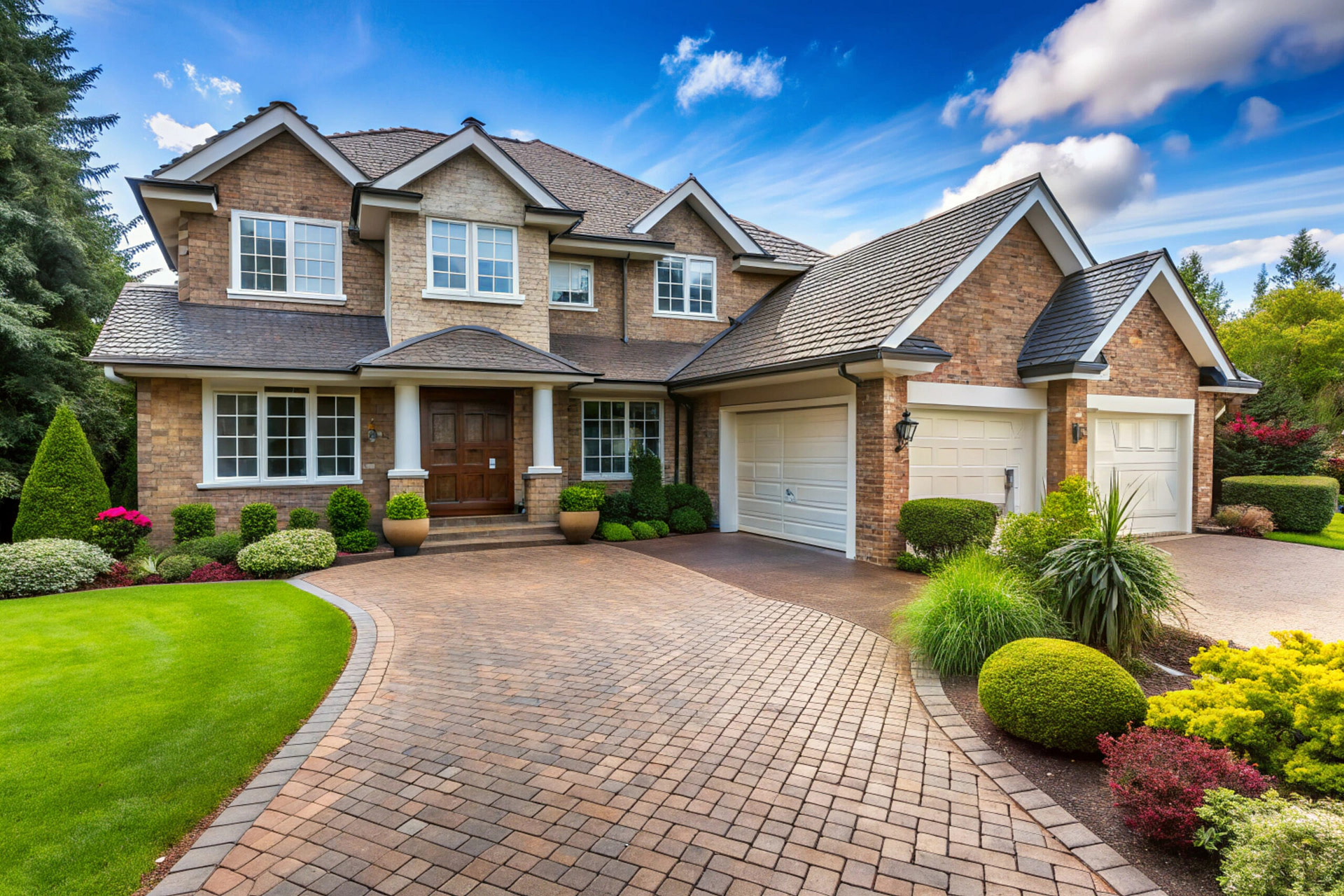
Ask our office to review your current coverages — particularly, on your home, how much it would cost to replace your house. That’s where the biggest mistake happens.
An outdated insurance policy is a specific thing, not a vague feeling. It means the limits and endorsements on your policy were sized for a version of your life and a version of construction costs that no longer exists. The clearest sign is the dwelling limit on your home — what the policy says it would pay to rebuild — compared to what it actually costs to rebuild your home today. That single line is where the largest and most preventable mistakes hide.
Insurance policies don’t expire from old age. They drift. Each year the dwelling limit increases by a small inflation factor — typically two to four percent — while real construction costs in many markets have climbed considerably faster than that, especially since 2020. Over five or ten years, the gap between the inflation guard and the real rebuild cost can stretch to tens or even hundreds of thousands of dollars. The policy is current; the limit is outdated.
If any of those answers is “I’m not sure,” the policy is overdue for a review. Our note on how to know if you have the right coverage walks through the longer version of this conversation.
Most outdated coverage doesn’t look outdated on the declarations page. It looks fine until a claim happens, and then the math becomes obvious.
Some parts of a policy hold their value well — auto liability limits, for example, don’t really age unless your assets change. Other parts age quickly. The dwelling limit is the fastest-aging line, followed by the personal-property limit, then by jewelry/collectibles sub-limits as the household accumulates things. Roof coverage doesn’t age — but the roof itself does, and a 15-year-old roof on a policy that was written when the roof was 5 years old now sits in a very different settlement category. We talk through that specifically in how to tell if your roof is covered properly.
If you’re not sure where to start, request a personal insurance quote and we’ll rebuild the dwelling figure against today’s costs and tell you exactly how far the current limit has drifted.
We run a rebuild-cost estimator against your home’s specifics — square footage, finishes, year built, geography — and compare it to the current dwelling limit. We compare your existing personal-property limit to a quick room-by-room walk-through. We check jewelry, fine arts, firearms, and equipment for scheduling. We pull the current auto policy and check that every household driver and vehicle is on it. We map your liability limits against an asset snapshot. That’s the audit. If you want the broader version, how we review for gaps and overlaps covers more ground.
Under-insured dwellings produce co-insurance penalties — the carrier pays a percentage of even partial losses if the limit is too low against the rebuild cost. Outdated personal-property limits leave clients with replacement bills they didn’t expect. Outdated liability without an umbrella leaves personal assets exposed. None of these are dramatic until they happen — and then they’re very dramatic. Our look at having enough homeowners coverage and coverage gaps to watch when switching goes deeper. When you’re ready to update, contact our office and we’ll set up a review.



Website Made By Aelieve Digital Marketing