People make mistakes by under-insuring their house, not adding water backup or jewelry coverage, or forgetting to add all the drivers in their household to the policy.
You’ve decided to switch carriers. The quote looks better, the agent seems sharp, and you’re ready to move. Then six months in, a tree comes down on the deck and you discover the new policy excluded something the old one covered, or didn’t catch the addition you finished last spring. That’s the failure mode of a fast switch — and it’s almost always preventable with a one-hour review before the new policy binds. The gaps we see most often are the same handful of issues, repeated across thousands of households.
This is the most common and the most expensive. A policy that was written eight years ago at a dwelling limit that made sense then is now sitting under today’s rebuild cost, sometimes by twenty or thirty percent. When the new policy quotes, it often inherits that old number — because that’s what the consumer thinks is correct. Recheck the dwelling against current local construction costs before binding the new policy, and we explain how to test it in how to tell if your coverage is outdated and having enough homeowners coverage.
Water backup. Sewer and drain. Sump pump. Flood. None of these are automatic — they’re elections. If the old policy had them and the new one doesn’t carry them forward, that’s a real gap. If the old policy didn’t have them either, this is the moment to add them rather than continue an oversight. Our explainer on flood and home insurance covers the difference between these coverages.
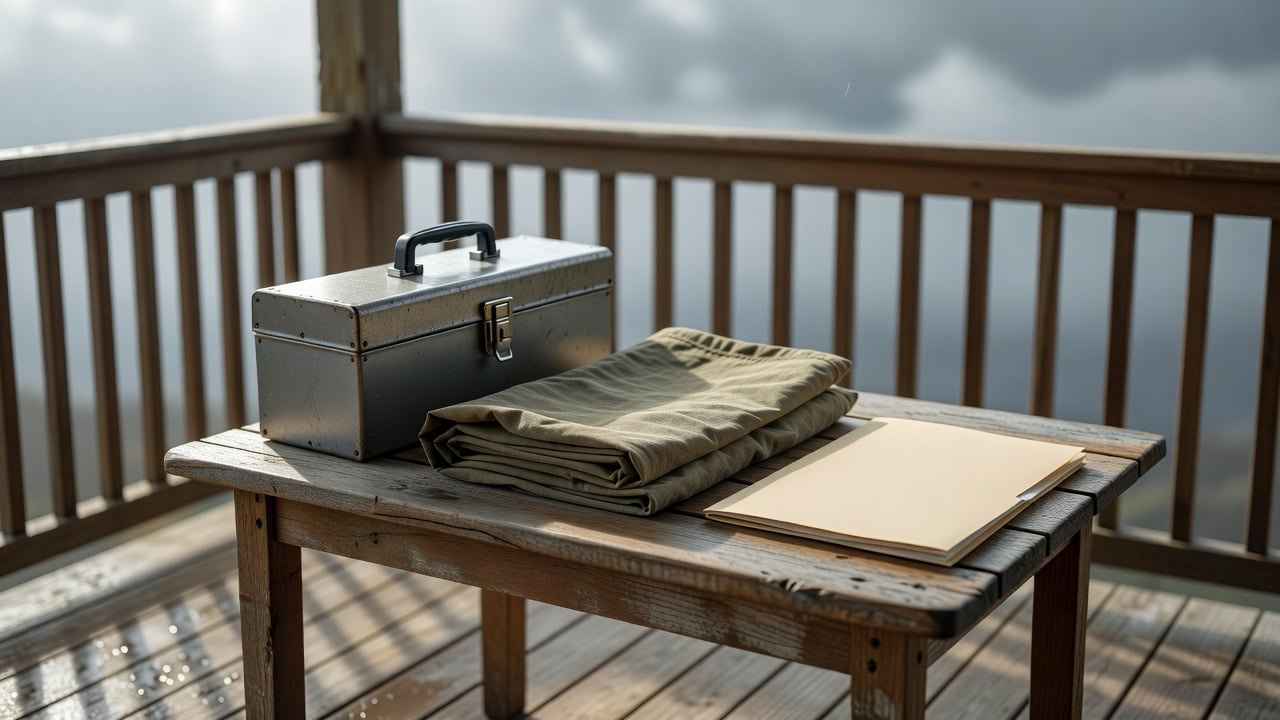
Standard home policies cap jewelry losses at around $1,500 per item or in total. A wedding ring, an inherited piece, or a watch can blow through that cap on a single loss. The fix is a scheduled-articles endorsement that lists the item by description and value. The same applies to:
When we move clients to a new carrier, we re-pull the schedule and update values to current appraisals — many appraisals are years out of date.
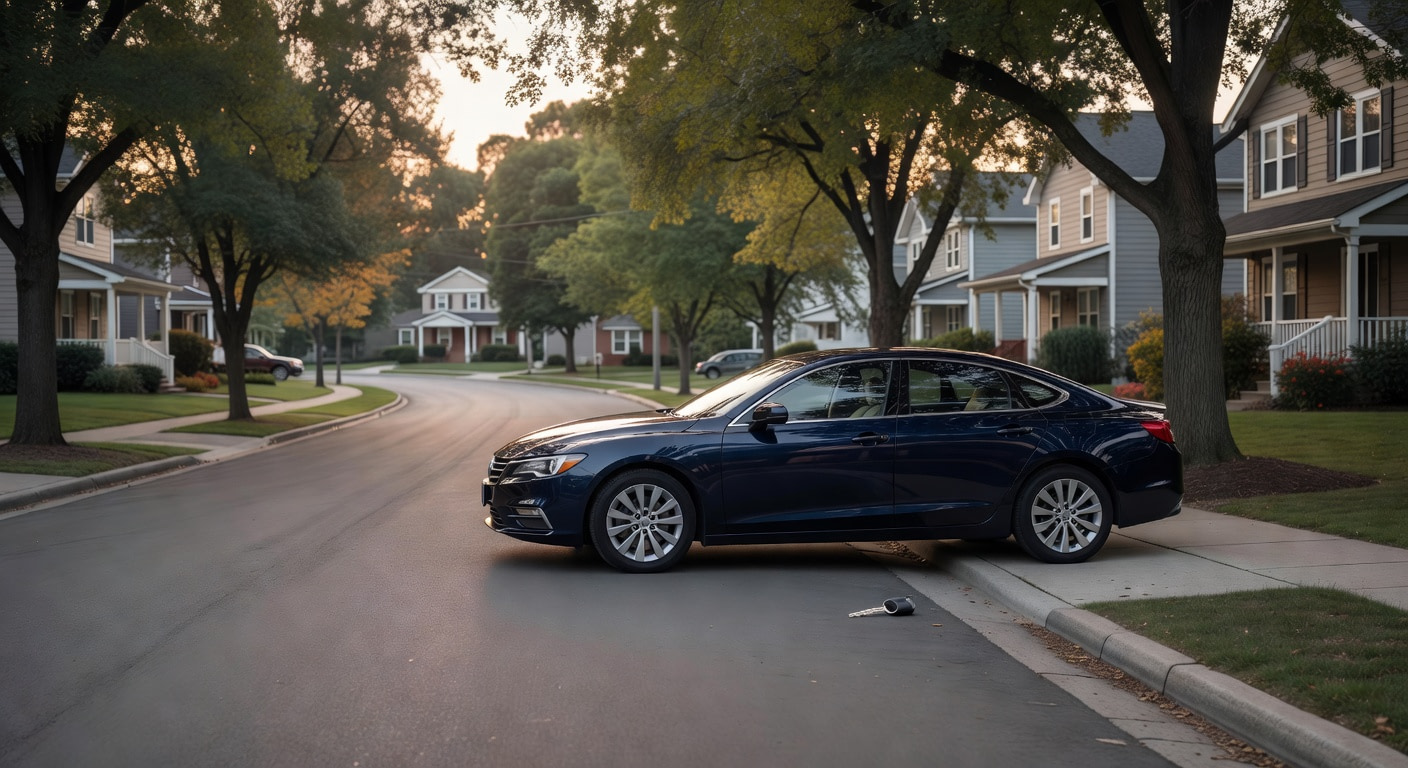
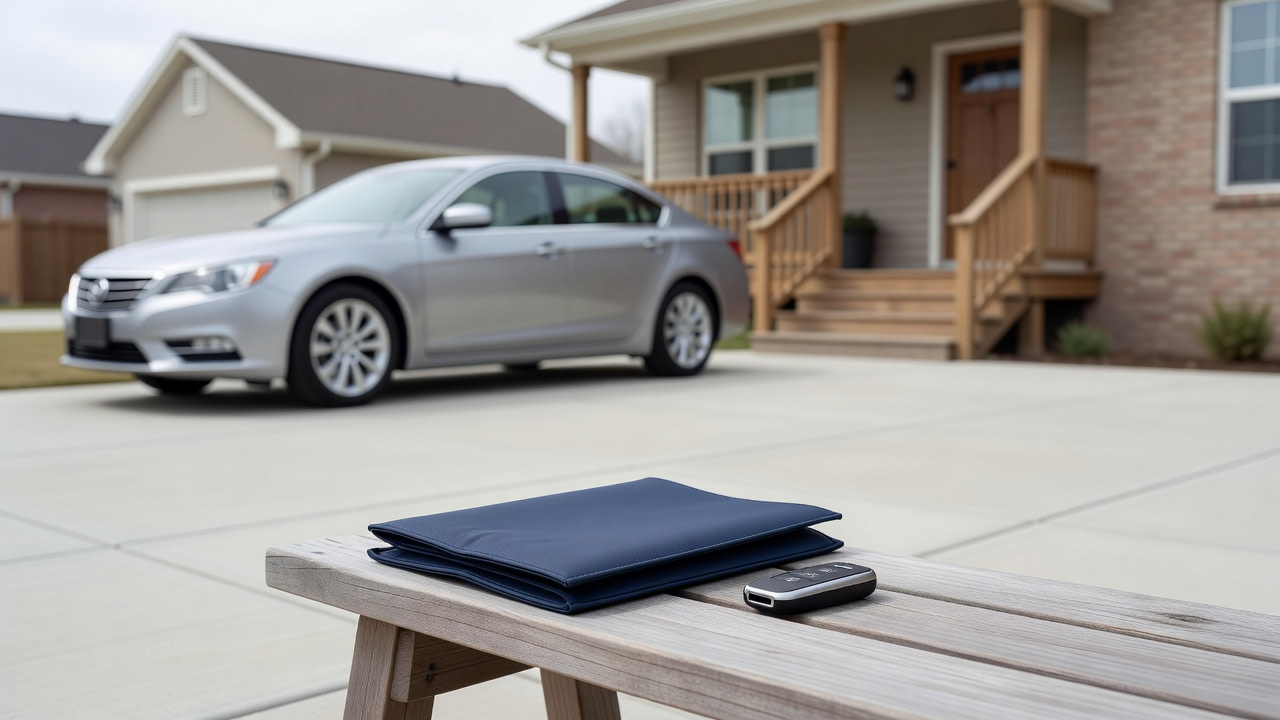
A 16-year-old who just got a license, a college student home for the summer, a spouse who joined the household — all of them need to be listed on the auto policy. Carriers can deny or reduce a claim if an unlisted household driver was at the wheel. This catches more switching households than any other auto issue.
If you carry an umbrella policy, the underlying home and auto need to meet the umbrella’s minimum liability requirements. Carriers occasionally adjust those minimums. A switch is a clean opportunity to make sure the underlying limits still satisfy the umbrella — we walk through this in whether to raise liability limits when switching.
Our process is a one-page diff. We list every coverage and limit on the old policy in the left column, every coverage and limit on the proposed new policy in the right column, and any difference is flagged. We don’t bind until you’ve seen and signed off on the diff. That’s the same approach we describe in reviewing policies for gaps and overlaps and making sure the new policy matches your coverage. When you’re ready, request a personal insurance quote and we’ll run the diff for you.

Give us a call today and we can help.


Website Made By Aelieve Digital Marketing