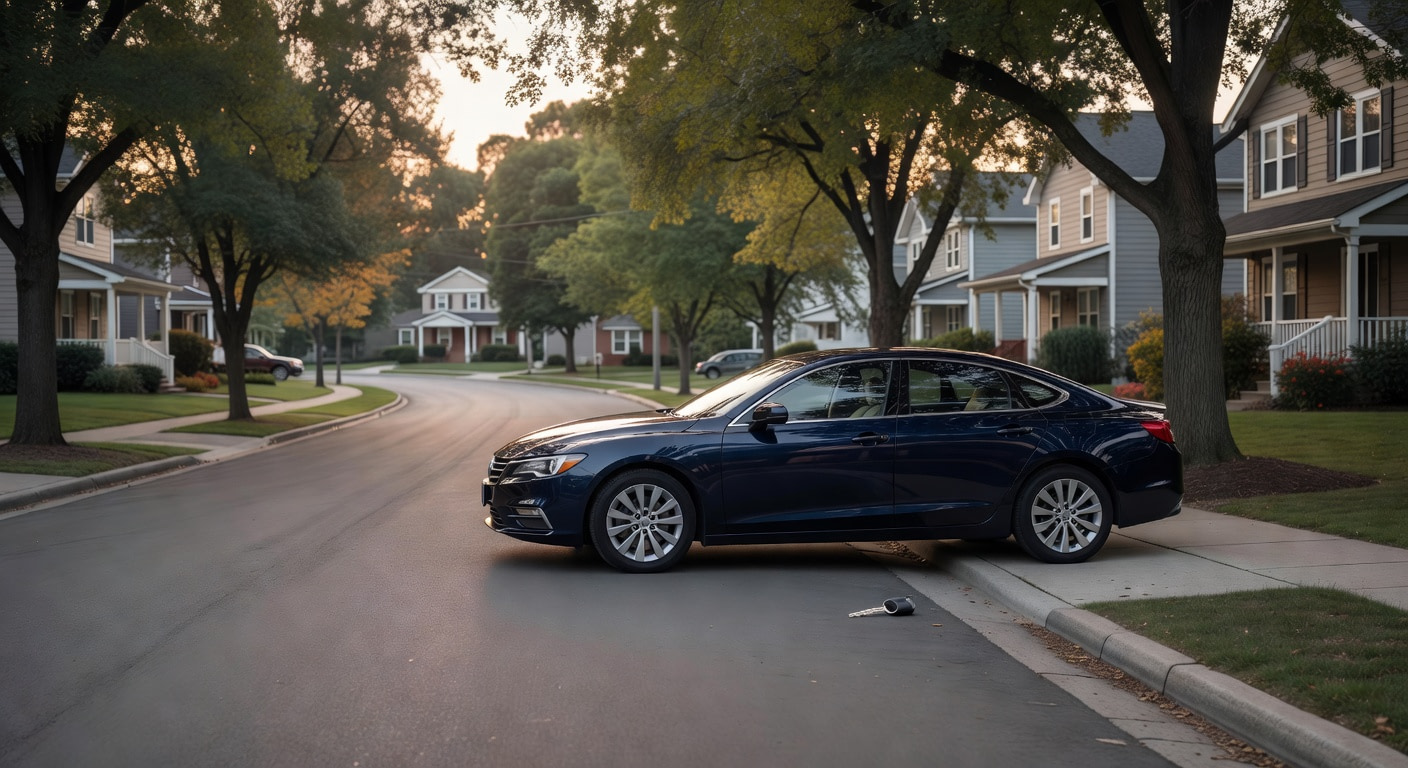
Your loan or lease company will always need a certificate of insurance listing them as lienholder.
A certificate of insurance is the document your lender or leasing company uses to verify that the vehicle securing your loan is properly insured. It lists the policy number, the named insured, the coverage limits, and — most importantly for them — the lienholder. If you are financing or leasing a car, that certificate is the piece of paperwork that confirms their financial interest in your vehicle is protected. Whenever you change auto insurance, a new certificate has to be issued and sent to them.
A lienholder is the financial institution that holds a security interest in your vehicle until the loan is paid off or the lease ends. They are legally on the title alongside you. Because they share ownership in the eyes of the law, they have the right to require proof that the car is insured to a level that protects their investment. That is true whether the lender is a credit union, a bank, a captive auto finance company, or a leasing company.
Lessees sometimes assume that because the dealership originally arranged everything at signing, there is nothing to update when they switch carriers. The opposite is true. Lease contracts typically have stricter coverage requirements than financed vehicles, and lessors are more aggressive about verifying coverage. If you are comparing your options, our overview of auto insurance walks through the standard coverages most lenders expect to see.
Every loan or lease company has its own paperwork standards, but the certificate almost always needs the same core information. Follow this order when you or your agent prepares it:
Getting any one of those wrong is what triggers a force-placed insurance notice. We have seen lenders charge clients hundreds of dollars in unnecessary force-placed premium because a comma in a corporate name was off, or the address routed to the wrong department. That is exactly the kind of small detail an experienced agent catches before it becomes a problem.
The lender does not care which carrier you choose. They care that their name is on the policy, spelled correctly, with the right coverage limits behind it.
The cleanest way to switch is to overlap the two policies by a day or two. Bind the new policy first, send the certificate to the lender, then cancel the old policy. That sequence prevents two scenarios we want to avoid: a coverage gap that triggers a force-placed notice, and a delayed certificate that causes the lender to think you are uninsured.
People sometimes worry that overlapping policies means paying twice. In practice, the old carrier issues a prorated refund for the unused portion, so the net cost of a one or two day overlap is negligible. We cover this in more detail in our explanation of how to make sure your new auto policy starts before the old one ends. If you have an active claim on the old policy, that is a separate conversation — generally we advise not switching in the middle of a claim unless the claim is close to settling.
If the lender or leasing company does not receive proof of insurance within their stated window — usually thirty days, sometimes less — they will purchase a force-placed policy and add the cost to your loan balance. Force-placed insurance is roughly two to three times the cost of a normal policy, protects only the lender’s interest in the vehicle, and gives you no liability or medical coverage. It is purely punitive.
Worse, once force-placed coverage is on your loan, it can take weeks of paperwork to get it removed even after you send proof of your real policy. The simpler fix is to send the certificate the same day the new policy issues. Our team does this automatically for clients who finance or lease. If you are evaluating an agency, this is a fair thing to ask about — we cover it in our guide on what to ask before switching insurance agencies.
When a client switches auto insurance through us, lienholder notification is part of the standard onboarding — not an add-on. We pull the lender information off the existing declarations page (one good reason we always ask for your current declarations page when quoting), confirm the exact wording with you, and send the new certificate the same business day the policy binds.
That coordination is one of the practical reasons clients tell us they prefer working with an independent agency rather than handling carrier changes themselves online. Lenders move slowly, and a person on the phone making sure the paperwork lands in the right inbox saves a lot of follow-up. If you are ready to switch and want us to handle the lender side of it, request a personal insurance quote and we will take it from there.



Website Made By Aelieve Digital Marketing