It’s always important when switching to make sure your new policy starts on the same day your old one expires.
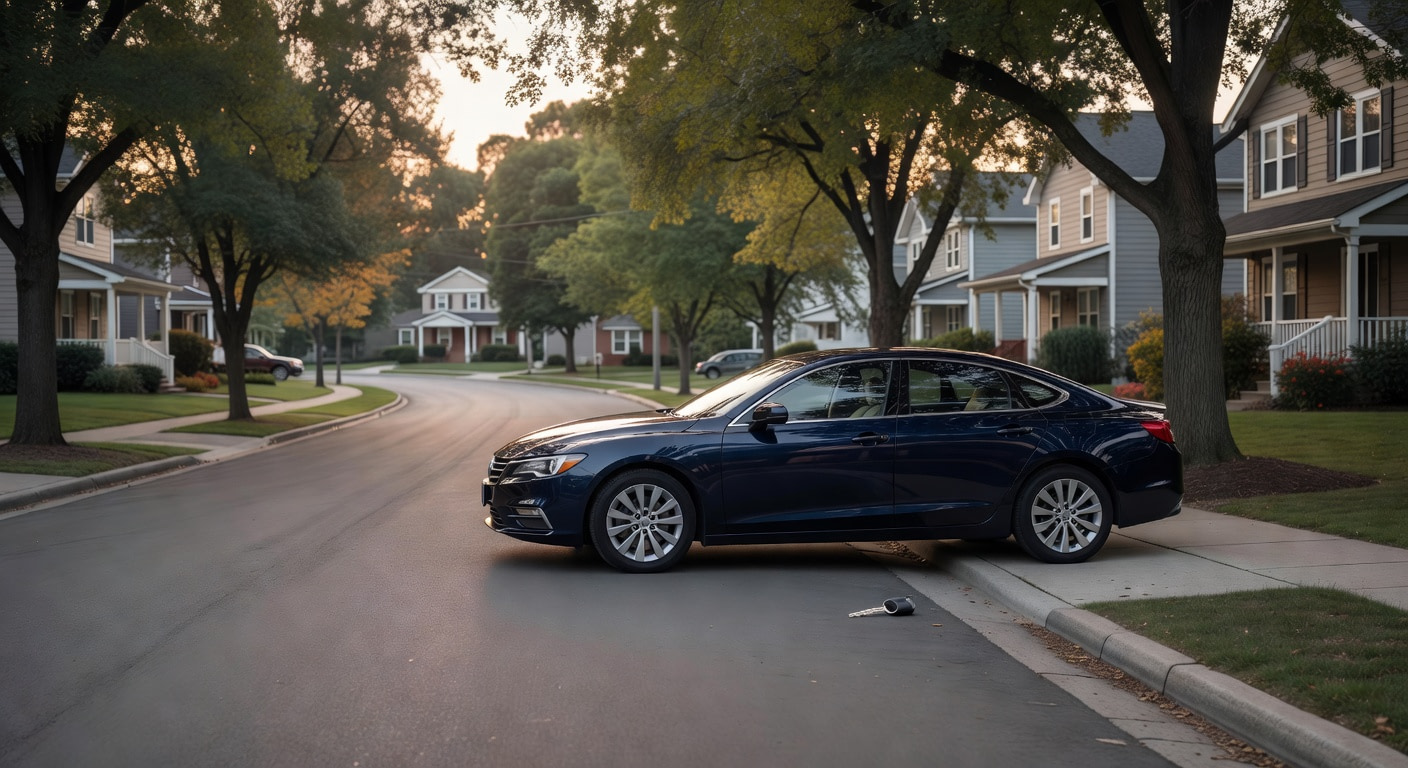
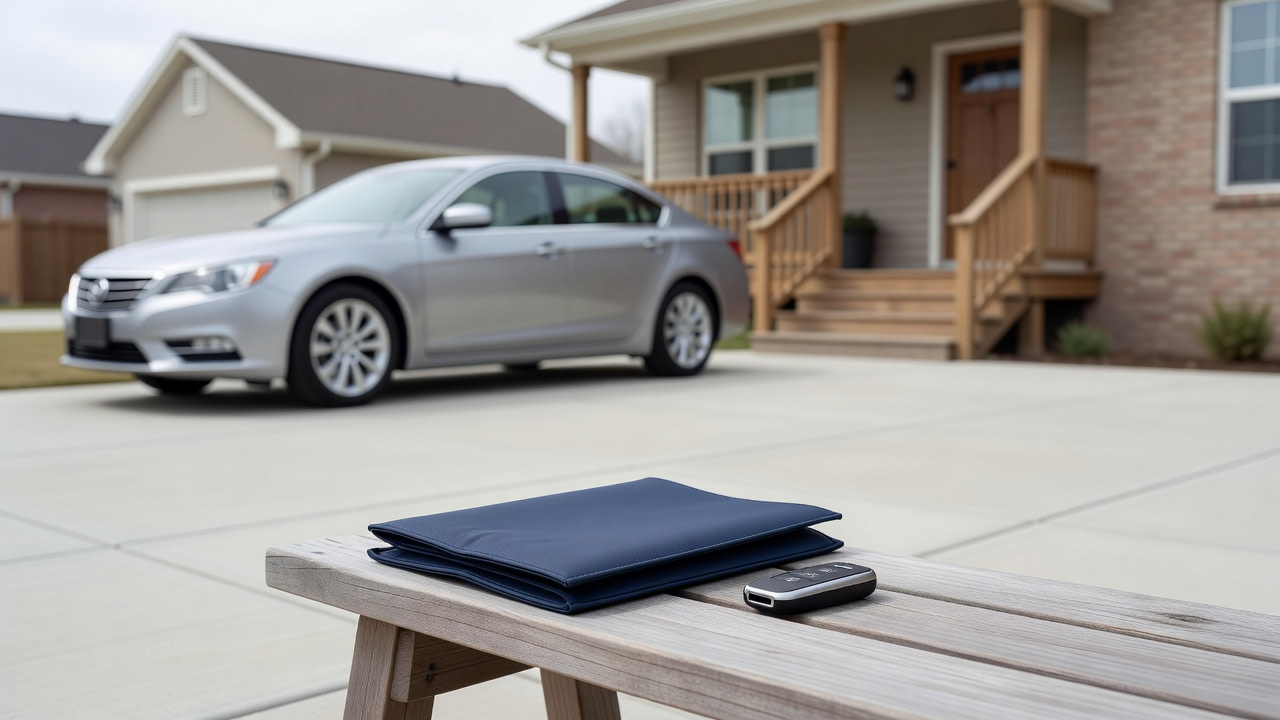
A driver in Naperville switched his auto insurance through an online channel. He set the new policy to start two days after the old one expired so he had time to print the new ID cards. During those two days, his car was rear-ended in a parking lot. The other driver fled. He had no comprehensive or collision coverage in effect during that window. The repair came out of his pocket. That is the kind of avoidable loss that comes from misunderstanding how effective dates work.
The rule for a clean switch is that the new policy starts on the exact day the old one expires. Not the day before, not the day after. Same day, same time.
People sometimes assume they need a buffer between policies. They worry about overlapping coverage or paying twice. Neither is a real concern. Carriers prorate everything, and an exact-date handoff costs nothing extra. What does cost something is leaving any gap, even one as small as a few hours. Comprehensive and collision claims that happen during a gap are not paid by the old carrier because the policy expired, and not paid by the new carrier because the policy had not started. The car is uninsured for that window.
Even if no claim happens, the gap can show up in your insurance history as a lapse. Carriers use prior coverage continuity as a rating factor. Our breakdown of whether a one-day lapse affects your rates covers the long-term impact.
Most carriers run policy periods from 12:01 AM on the start date to 12:01 AM on the expiration date. When we align dates, the new policy starts at 12:01 AM on the same date the old one ends at 12:01 AM. There is no overlap and no gap. The car is insured by the old carrier for the final minute of the prior term, and by the new carrier for every minute after that.
If your old policy expires on a Saturday and your new policy is set to start that same Saturday, the handoff is seamless. We confirm the times explicitly so there is no ambiguity. Our walkthrough on whether you need proof of insurance before canceling auto covers the document side of the same transition.
To set the dates correctly, we need a small but specific set of inputs from your current policy.
That last item is the one that catches people off guard. A lender or lessor may demand proof of new auto insurance within a tight window of the switch, and a misaligned date can trigger their force-place insurance, which is more expensive than what you would have arranged yourself.
The most common mistakes are not complicated, which is what makes them frustrating.
First, people set the new policy to start a few days early to “make sure they are covered.” That creates an overlap and the old carrier prorates a refund that gets confusing on the next statement. Second, people set the new policy to start a few days late because they want to receive the new ID cards in the mail first. That creates a gap. Third, people forget that their old policy ends at 12:01 AM, not midnight on the date shown. A new policy that starts at noon on the expiration date has been uninsured for twelve hours. The fix in all three cases is to talk to your agent about the times, not just the dates. Our notes on avoiding a lapse in coverage when switching cover the broader version of this conversation.
Once the dates are aligned and the new policy is bound, the rest is administrative. The old carrier processes the cancellation. The refund, if any, follows. The lender or lease company receives the updated proof of coverage. Your point of contact at the new agency confirms your ID cards are in hand. Within a week or two, the switch is fully closed out and your insurance history is clean.
We do not rely on the carrier’s system to set the dates correctly. We verify them with you in writing before the application is submitted. That small habit prevents most of the alignment problems we see in switches that came from elsewhere. If the dates are right and the documentation is right, the rest of the switch tends to take care of itself. To get started, our auto insurance team will run the timeline with you.

Give us a call today and we can help.


Website Made By Aelieve Digital Marketing