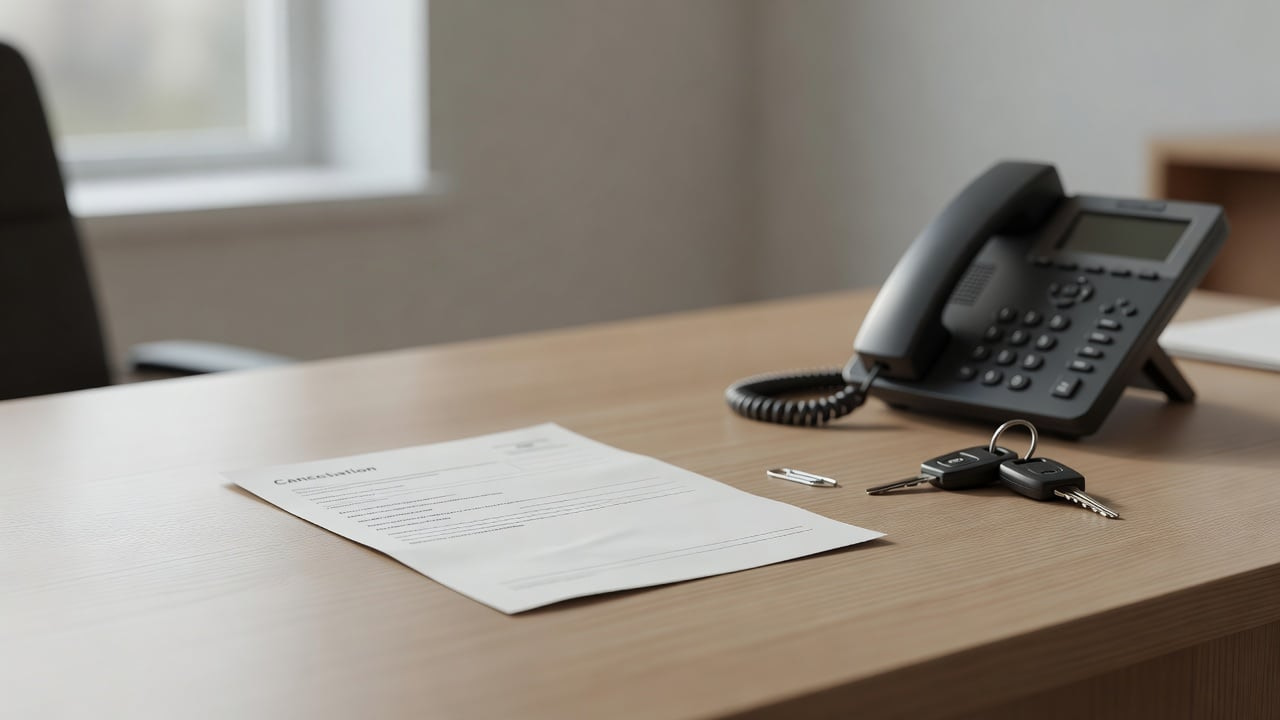
For the majority of policies, you’ll get a prorated refund from your old insurance company, as long as you send the right cancellation paperwork.
A homeowner called us in March, six months into a twelve-month policy she had paid in full. She had found better coverage at a fairer price and was nervous about losing the unused premium. We bound her new policy effective April 1st, sent the cancellation paperwork to her previous carrier with that same date, and roughly two weeks later she received a prorated refund check covering the remaining six months — minus a small short-rate adjustment that no longer applied because she canceled at a true effective date rather than in the middle of a billing cycle.
That is the typical experience. For the majority of policies, a prorated refund is issued by the prior carrier once they receive the proper cancellation paperwork. The amount depends on how much of the policy term remains and how the carrier calculates the unearned premium.
There are two ways carriers calculate refunds:
Before you cancel, ask which method applies. If you’re working with us, we’ll pull that detail from your declarations page when we do the quote comparison. You can review why your declarations page matters for an accurate quote before our review call.
Refunds get delayed for one reason more than any other: the cancellation paperwork was never properly submitted, or it was submitted to the wrong department. The carrier needs a clear written request stating the named insured, the policy number, and the exact cancellation date. We help clients send a written cancellation request at the same time we bind the new coverage, so the two events line up.
If you’re switching home insurance and your premium was paid through escrow, the refund usually goes back to you, not to the mortgage company. That is a common point of confusion, and it ties to what happens if your escrow pays the old insurance company by mistake — the cancellation letter still works, the refund still comes to the insured, and you make the first payment on the new policy directly.
Most carriers generate the refund within about ten days of processing the cancellation and mail a check. Some now use direct deposit or apply the refund as a credit if you have other policies with them. If it has been more than three weeks and nothing has arrived, that is the moment to call. We typically check in with clients at the two-week mark on big switches. For more detail, see how long it takes to receive a refund after canceling insurance.
A few situations change the picture: you canceled before the policy ever went in force (full return of premium in most cases), you had an open claim during the policy term (the refund may still come but installment plans get reconciled first), or you paid monthly and were behind on payments (the refund may be applied to the balance before any check is issued). If you are mid-claim, our general advice is to not switch insurance companies in the middle of a claim unless it is older and close to being settled.
Three things to confirm with your current carrier before you pull the trigger: the refund method (prorated or short-rate), the date the cancellation will be effective, and the address or account where the refund will go. Get a confirmation number for the cancellation. That five-minute call has saved clients real money. If you’d like us to coordinate this with a new personal insurance policy, we will, and we’ll also help you avoid a lapse in coverage when switching. Ready to compare? Request a commercial insurance quote if you’re switching a business policy, or browse homeowners insurance for personal lines.

Give us a call today and we can help.


Website Made By Aelieve Digital Marketing